How to Clean Solar Panels (and Why I'd Rather You Didn't Climb Up There)
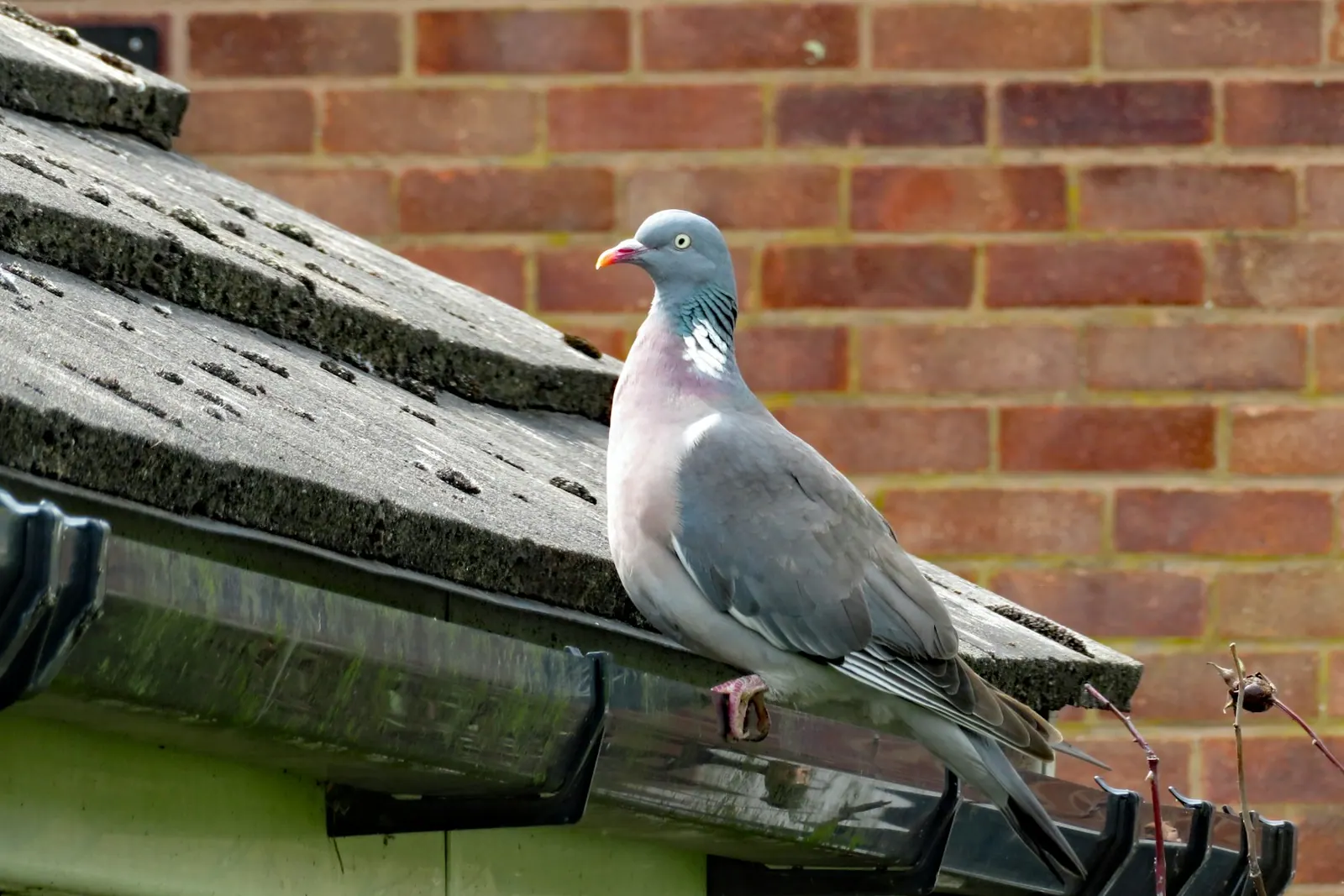
The dirtiest panels I've ever cleaned belonged to a bloke in the northern suburbs who swore they were fine. His monitoring app said the system was down about a fifth on the previous spring. He blamed the weather. The weather was fine. It was pigeons.
Not roosting on the panels, exactly. Roosting above them, on the ridge, and doing what pigeons do. Two hours with deionised water and a soft brush and the system was back where it should be. He rang the next week to apologise to the weather.
So yes, panels get dirty, and yes, it costs you real money. Here's how to think about it, and how to clean them without wrecking them or yourself.
What ends up on a Melbourne roof
Mostly four things. Road dust and grime if you're anywhere near a main road, which in Melbourne is most of us. Pollen, in a thick yellow film every spring. Bird droppings, which are far worse than dust because a single splat can shade a whole cell. And leaf litter and sap if there's a gum tree hanging over the roof.
Rain doesn't fix it. Most residential panels sit at a fairly low tilt, so a shower tends to smear the dust into a film rather than wash it off. A proper downpour helps. A Melbourne drizzle just moves the dirt around.
How much output are you actually losing?
Less than the scary numbers on some cleaning company websites, more than zero. A light, even coating typically knocks a few percent off. Heavy soiling, or droppings sitting on one panel in a string, can pull that panel and its neighbours down much further, because panels wired in series only perform as well as the worst one.
The annoying part is that it's gradual. Nothing alarms. Your app just shows a system that's "a bit under", and a bit under compounds over a year.
When to do it
Timing matters more than most people think. Spring is the dirtiest season in Melbourne. Pollen from September to November lands on the panels at the exact moment the days are getting long enough for the output to matter. My rule: clean in late spring, once the worst of the pollen is done, so the panels go into summer clear. If you only clean once a year, that's the once.
Autumn is the other candidate, mostly for houses under deciduous trees, because leaf litter and the sap that comes with it won't rinse off on their own.
If you're going to do it yourself
I'd rather you didn't, and I'll explain why in a second. But if the panels are on a low single-storey roof and you can reach them safely from a ladder or the ground, here's what works:
- Early morning or a cool evening. Cold water on hot glass is how you get cracks.
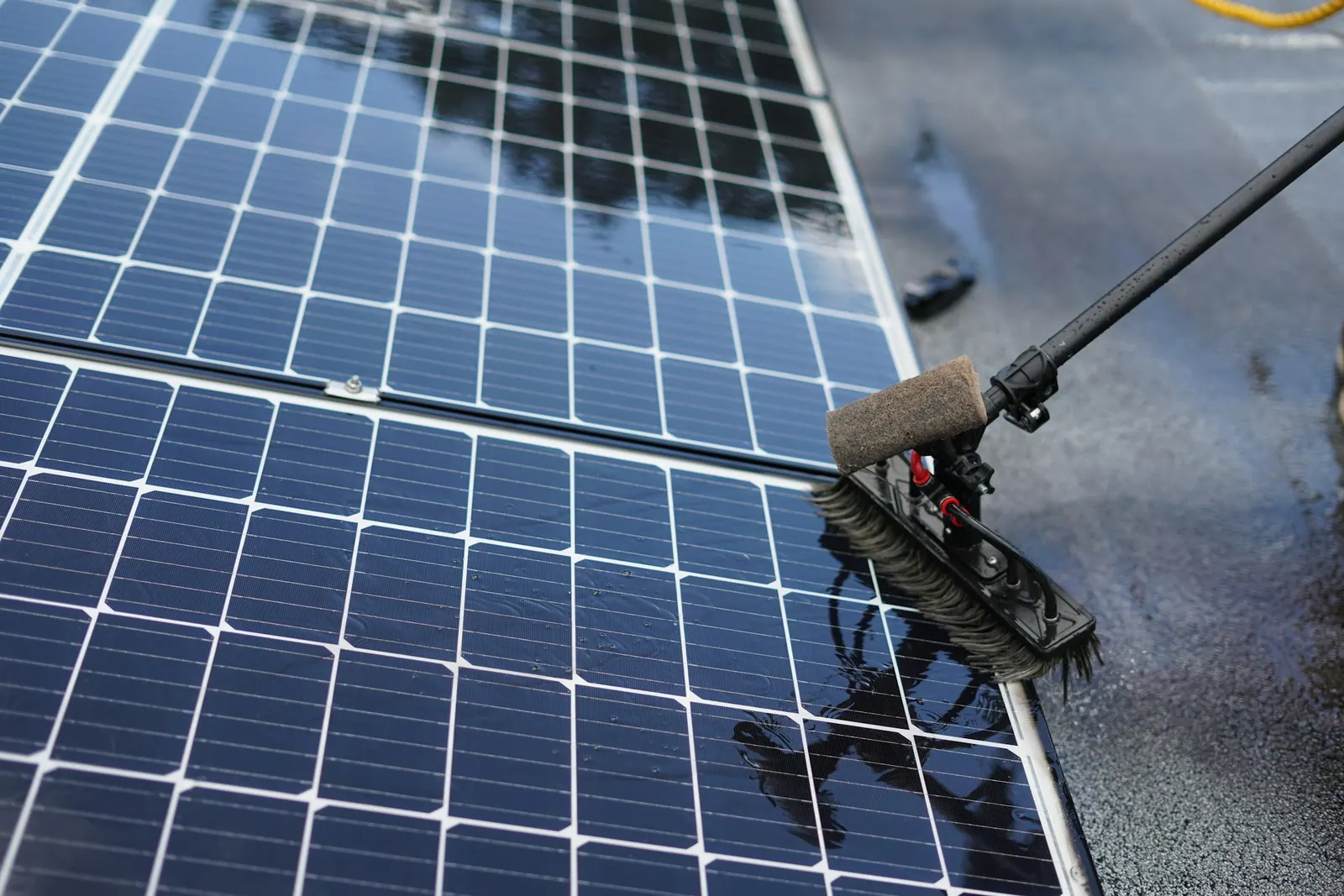
- Plain water and a soft brush, or a soft cloth on a pole. That's it. No detergent, no glass cleaner, nothing that leaves a residue.
- Deionised water, or at least rainwater. Tap water leaves mineral spots that bake on.
- Never a pressure washer. It forces water into the seals and can strip the anti-reflective coating. I've seen panel warranties voided over this.
- Don't stand on the panels. Micro-cracks in the cells don't show up until later, when the output mysteriously drops.
Now the reason I'd rather you didn't. WorkSafe Victoria treats any work above two metres as a serious fall risk, and roofers with harnesses and edge protection still get hurt. A homeowner on a wet tile roof with a hose and a broom is not a story that ends well often enough for me to recommend it. Please stay on the ladder, or better, on the ground.
Things that don't work
I get asked about all of these, so, quickly. Robot cleaners: great on a flat commercial roof with hundreds of panels, pointless on a suburban house with fourteen. "Self-cleaning" coatings sprayed on after install: I haven't seen one survive a Melbourne summer, and I wouldn't put anything on the glass the panel manufacturer hasn't approved. Waiting for rain: covered above. A sprinkler pointed at the roof: tap water spots, wasted water, and the neighbour's car gets a wash.
Cleaning is not servicing
This trips people up. Energy Safe Victoria is blunt about it: servicing is not simply cleaning your solar panels. A service means a licensed A-Grade electrician testing the electrical side, checking the DC isolator for water ingress (a known fire risk), and inspecting the cabling. They recommend one at least every two years, ideally by someone accredited with Solar Accreditation Australia.
A clean gets the light in. A service makes sure nothing catches fire. You want both, on different schedules, and if anyone sells you a "solar service" that turns out to be a man with a mop, that's a red flag.
Signs it's time
You don't need to guess. Check the app for a steady drift downwards over a few weeks with no change in weather. Stand in the driveway and look for streaks or white splats. Count back to the last clean, and if it's over 12 months, it's time. One more: if the panels look fine from the ground but the app disagrees, trust the app. Dirt hides in the low corner of each panel, where water pools and dries.
For most Melbourne homes I'd say once a year. Near a main road, under trees, or with a local pigeon population that's taken a liking to your ridge capping, every six months.
Commercial roofs are a different story
Flat or low-pitch commercial roofs collect far more grime, because nothing runs off. A warehouse beside a main road, or a food plant with extraction fans blowing onto the roof, can lose a lot more than a suburban house does, and once you multiply that across a few hundred panels the dollar figure gets serious. Those sites we usually put on a twice-a-year schedule and do the clean in the same visit as the system check, so the business only has to deal with us once.
What we actually do
Deionised water, purpose-made soft brushes, no chemicals, no pressure washers, before-and-after photos so you can see the difference, and a basic check of the system while we're up there. It starts from $200 and takes an hour or two, and the details are on our panel cleaning page. I'm biased, obviously. But I've also spent enough hours on wet roofs to know it's not the fun kind of DIY.
The pigeon bloke books every September now. The pigeons are still there. So is his output.
Curious if this plan is right for you?