How Solar Panels Work: A Melbourne Installer's Plain-English Guide
Last month, halfway through an install in the eastern suburbs, the owner asked me whether the panels would keep her lights on during a blackout. I said no. Her face fell. Then she asked whether the panels "store the power somewhere". Also no, not unless you buy a battery.
She'd signed a contract for a system she didn't really understand, and honestly, that's on our industry, not on her. So here's the version I wish someone had given her before she started comparing quotes.
Sunlight in, DC out
A solar panel is a sandwich of silicon cells under a sheet of tempered glass. When photons hit the silicon they knock electrons loose, and the cell is built so those electrons can only flow one way. That flow is DC electricity, the same kind that comes out of a torch battery.
That's the whole trick. No moving parts, no noise. The panels on your roof are doing physics, quietly, while you're at work.
They don't need blazing sun to do it either. On a grey Melbourne day they still produce, just less. I've watched a 6.6 kW system push out 1.5 kW under thick cloud, which runs most of a house. What stops them cold is night. No photons, no electrons, no argument.
The inverter does the actual work
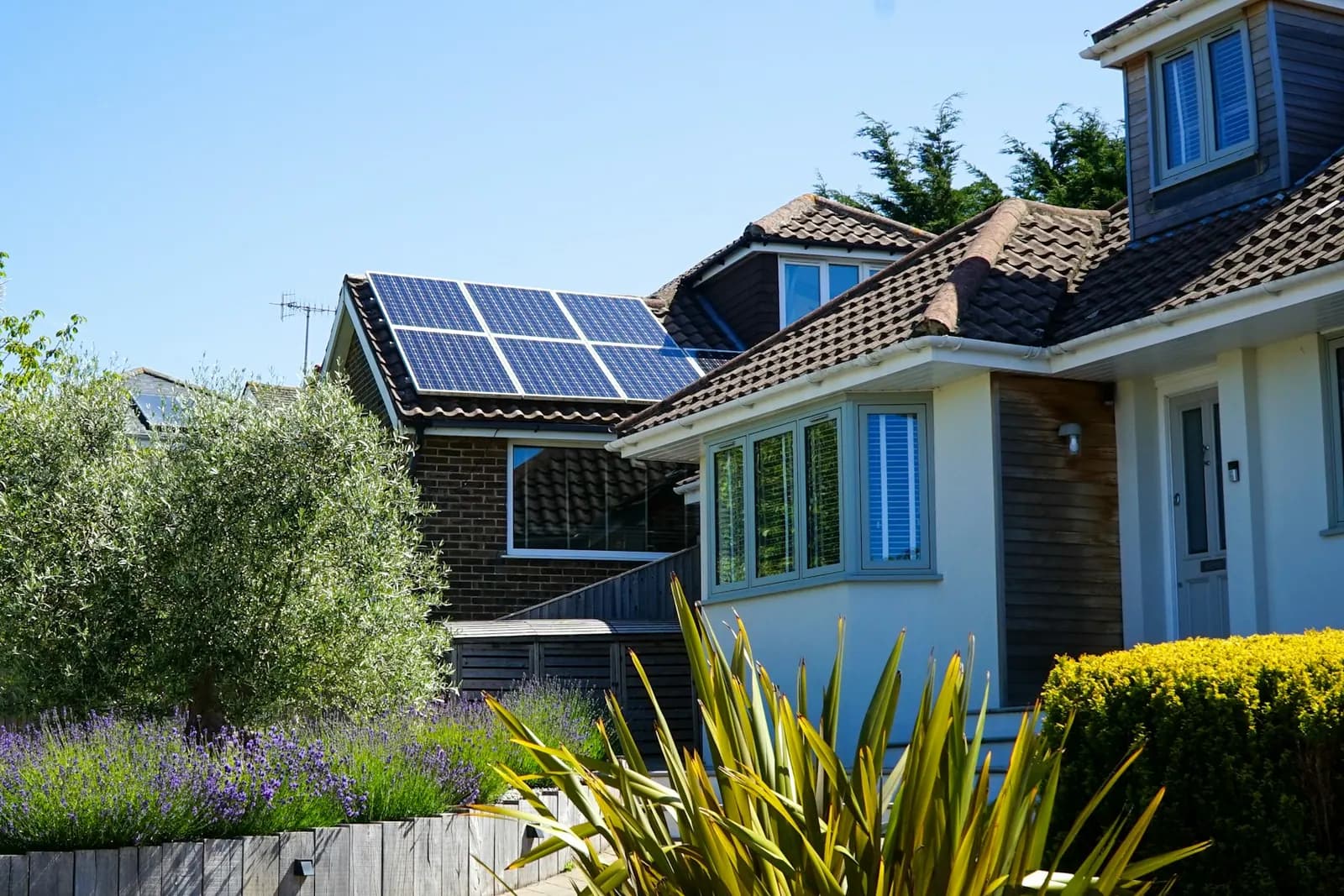
Your house runs on AC, so the DC coming off the panels is useless until something converts it. That something is the inverter, the grey box usually bolted to the wall near your meter.
I tell people the panels are the muscle and the inverter is the brain. It converts DC to AC, matches the grid's frequency, shuts itself down if the grid drops out (that's why you lose power in a blackout: it's a safety rule, not a defect), and logs everything to an app on your phone. When a system misbehaves, nine times out of ten the inverter is where you look first. If a quote doesn't name the inverter brand and model, ask. It's the component you'll be living with for the next decade.
It's also the part that wears out. Panels are rated for around 25 years. Inverters, 10 to 15. Budget for replacing one at some point, and don't let anyone tell you otherwise.
Where the power goes, in order
This is the bit nobody explains properly. Solar electricity has a strict pecking order:
- Your house, right now. Whatever's switched on while the sun is up draws from the panels first. Dishwasher, aircon, the EV in the garage.
- Your battery, if you have one. Anything left over charges it.
- The grid. Whatever's still left gets exported, and your retailer pays you a feed-in tariff for it.
That order matters because of what happened to feed-in tariffs. Victoria stopped setting a minimum feed-in tariff on 1 July 2025. Retailers now set their own, most sit at a few cents per kilowatt-hour, and some pay nothing at all for power exported in the middle of the day.
So exporting is close to worthless. Using your own solar, or storing it, is where the money is. Run the dishwasher at noon, not at 9pm. It sounds trivial. Over a year it isn't.
Your distributor gets a say too
Before any of this gets switched on, your electricity distributor has to approve the connection. In Melbourne that's Jemena, AusNet, CitiPower, Powercor or United Energy, depending on your street. We lodge the application. They come back with an export limit, which for most single-phase homes is 5 kW. Your smart meter gets reconfigured to count power in both directions, and only then does the system get commissioned.
That export cap is another reason I don't get excited about selling power back. Even if your retailer paid a decent rate, there's a ceiling on how much you could send them.
Do you need a battery?
Depends on when you use electricity, and I mean that literally.
If someone's home all day, a panel-only system already covers most of the bill. If the house is empty until 6pm and everything happens after dark, you're exporting for cents and buying back at 30-odd cents. A battery fixes that mismatch by moving your daytime solar into the evening.
One thing to nail down before signing: not every battery setup gives you backup power in a blackout. Some do, some don't, and the ones that do need a specific inverter configuration. Ask, and get the answer in writing. Ask me how I know.
Reading the app without fooling yourself
Every inverter comes with an app. Every customer checks it obsessively for the first fortnight and then never opens it again. Two things worth knowing.
First, the big number, "generation", is what the panels made. It is not what you saved. To see what you actually used versus what you exported, the system needs a consumption meter, a small clamp on your main incoming cable. Ask for one. Without it the app tells you half the story, and the electricity bill tells you the other half three months later.
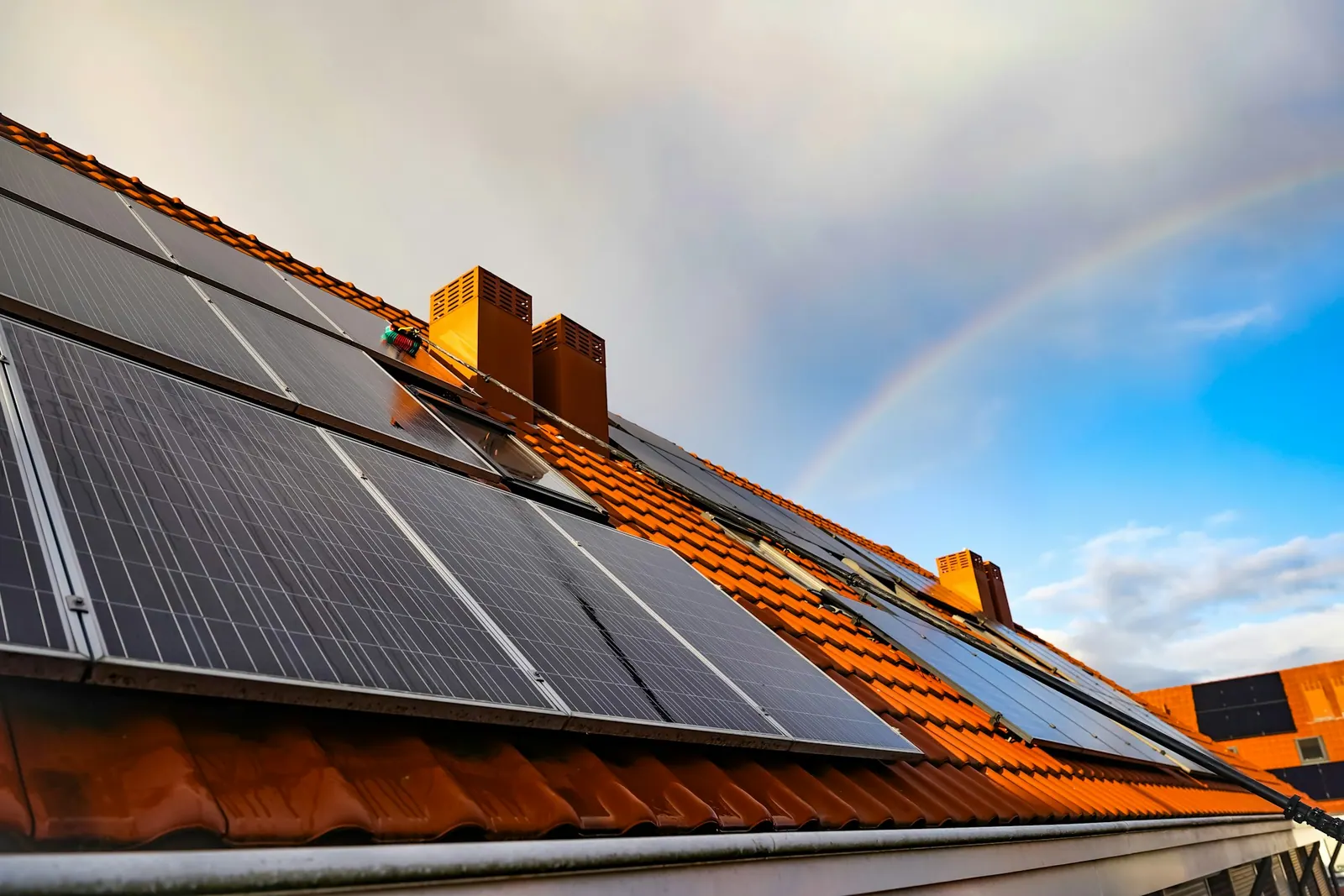
Second, a bad day is not a fault. I've had calls at 7am on a foggy Tuesday because the app showed 40 watts. Look at the weekly and monthly figures instead. If those are drifting down against last year for no obvious reason, then ring someone. Dirty panels are the usual suspect, and I've written a whole post about that.
Cloudy days, cold days, and four seasons in one afternoon
Melbourne weather is a running joke on our install crew. The good news is that a system is designed around your annual average, not any single day. The Bureau of Meteorology's solar exposure maps show Melbourne getting plenty over a year, with a long summer peak and a lean patch in June and July.
Cold, weirdly, helps. Panels are more efficient when they're cool. A crisp, clear winter morning is a great production day. A 38-degree scorcher is worse than you'd think, because hot glass loses a bit of output.
Picking a system without guessing
Grab your last four electricity bills, one per season, and look at the daily kWh. That number, plus your roof's orientation, is what a decent installer sizes the system from, and it's exactly where our residential solar assessment starts.
On orientation: north-facing is the textbook answer in Melbourne, but west-facing panels keep producing later into the afternoon, which lines up better with when most families walk in the door. A split array, some north and some west, often beats all-north for a house that's empty during the day. Your installer should be able to show you the difference in numbers, not just say "north is best" and move on.
The federal government's solar PV and batteries guide is a good, sales-free read before you talk to anyone, including us.
The customer from the eastern suburbs, by the way, added a battery six months later. She rings occasionally to tell me her export figure, which is now almost zero. That's the goal.
Curious if this plan is right for you?