Solar Not Working? What to Check Before You Book a Solar Repair in Melbourne
The most common "my solar's broken" call I get isn't about solar at all. It's about Wi-Fi.
Someone changes their internet provider, the new modem has a new network name, and the inverter quietly loses its connection. The app goes flat. Zero kWh, three days running. Meanwhile the panels on the roof are producing exactly what they always did, sending it into the house, and nobody can see it.
So before anyone books a solar repair, it's worth ten minutes in the driveway and at the switchboard. Here's what I'd check, in the order I'd check it.
First: is it the system, or just the app?
Walk to the inverter. It's the box on a wall, usually near the switchboard or in the garage. On a sunny day it should be showing a live output number, a green light, or both.
If the inverter says it's producing and the app says zero, the system is fine. The monitoring isn't. Reconnecting it to your new Wi-Fi is usually a five-minute job with the manufacturer's app, and it's the cheapest "repair" you'll ever do.
If the inverter screen is blank, red, or showing an error, keep reading.
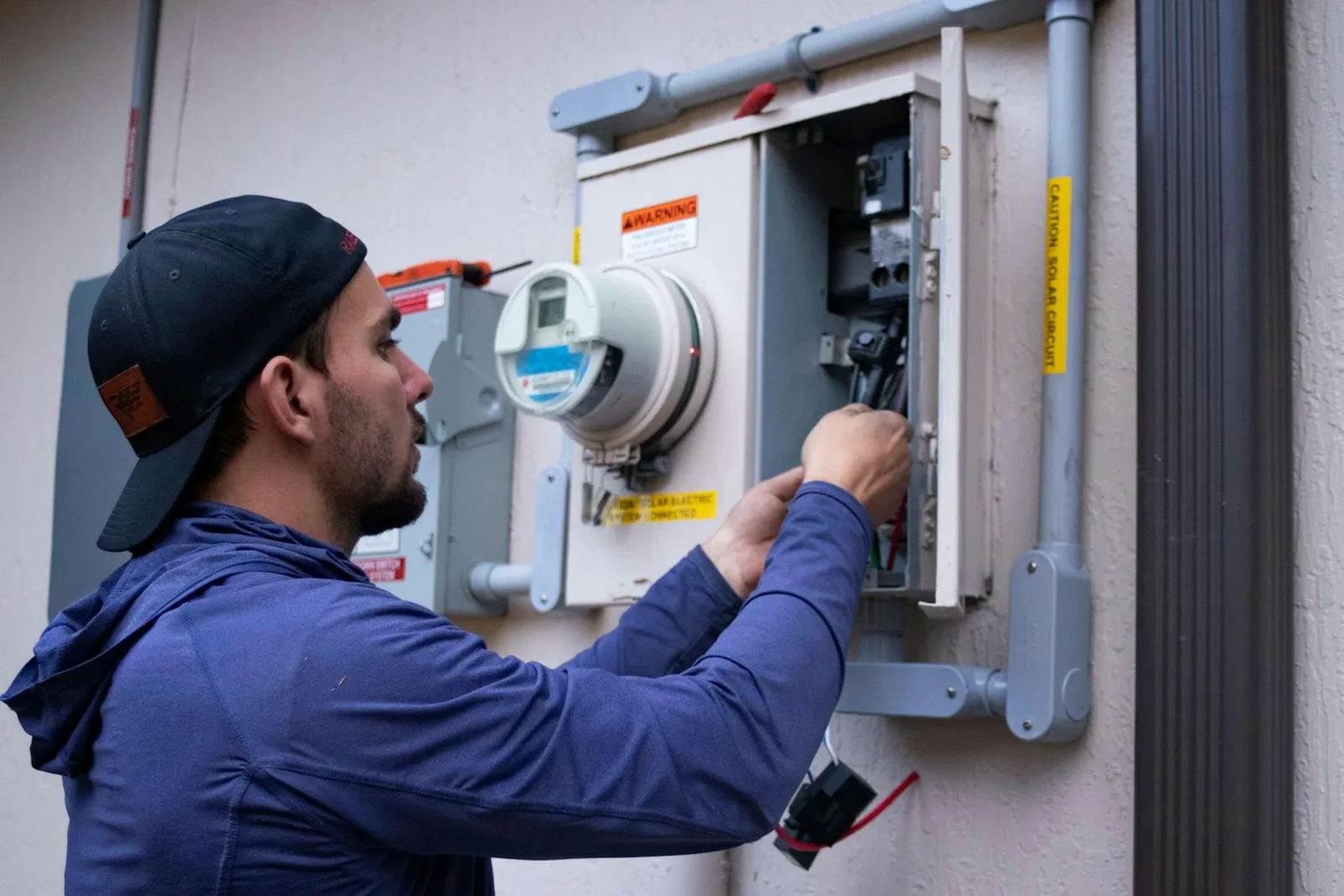
Check the switches, but only the AC side
There's normally a circuit breaker in your switchboard labelled something like "Solar Supply Main Switch" or "Inverter". If it's tripped, the inverter can't connect to the grid and will sit there doing nothing.
You can flip that breaker back on once. If it trips again, leave it off and call someone. A breaker that keeps tripping is telling you something, and it isn't asking for a second opinion from you.
What I'd not do is start working the DC isolators, the switches on or next to the inverter (and on older systems, up on the roof). They carry DC current straight from the panels, which doesn't switch off at sunset the way you'd hope. There should be a shutdown procedure sign near the inverter or switchboard. If you need to turn the system off, follow that, in that order, and nothing more creative.
And if anything smells hot, looks scorched, or is making a buzzing sound: hands off, call a licensed electrician, and if there's smoke, call 000. Not a joke, and the only paragraph in this post I'll say that about.
The three error messages I see most
Inverter brands all word things differently, but most faults land in one of three buckets.
Grid voltage too high. This one's very Melbourne. On a sunny weekday, with every roof on the street exporting, the voltage in the street climbs. Inverters are required to back off and eventually disconnect when it gets too high. In Victoria they have to be set to the AS/NZS 4777.2:2020 Australia A settings, which wind output down as voltage rises and drop off the grid if it stays high. Your system isn't broken. It's being polite.
If it happens a lot, two things help. Ask your installer to check the inverter settings are right and the cable back to the switchboard isn't undersized, because a long thin cable adds its own voltage rise. And report it to your electricity distributor (the network company, not the retailer on your bill). Persistent high voltage is their problem to fix, and they do act on complaints.
Isolation fault (sometimes "PV isolation low" or "earth fault"). The inverter has detected current leaking somewhere it shouldn't on the DC side. Classic sign: it shows up on damp mornings and clears by lunchtime. That pattern usually means moisture getting in somewhere, a connector, a cable, or an isolator. It's a real fault. Don't ignore it because it goes away by noon.
Inverter fault or hardware error. Sometimes it's the inverter itself. Panels very rarely die outright; inverters work much harder and are the part most likely to fail. If yours is more than about ten years old and out of warranty, I'll be honest, replacing it usually makes more sense than repairing it. A new one comes with a fresh warranty, current grid settings and better monitoring. A repair on an old one buys you time on a part that's already used most of its life.
When output is just quietly lower
No errors, nothing obviously wrong, just less power than last year. Before you blame the system, compare the same month across years, not this week against last week. A cloudy October looks like a fault if you're not careful.
If it really is down, dirty panels and new shading (that tree next door had a good spring) are the usual culprits. Cleaning is covered in our panel cleaning guide. A single panel or string underperforming is a job for an electrician with a meter, not a hose.
Servicing, the boring bit that prevents most repairs
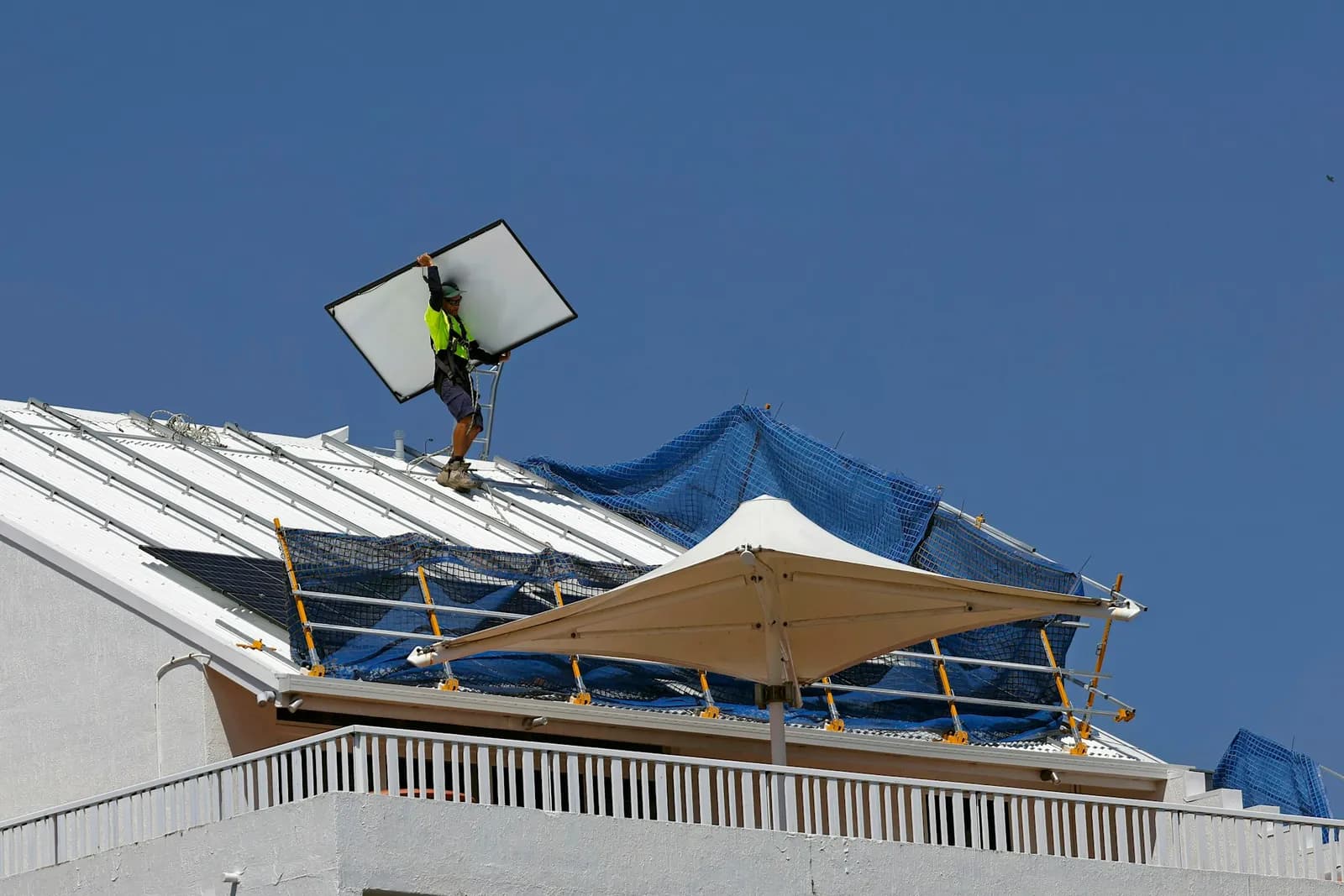
Energy Safe Victoria recommends having your system serviced at least once every two years by a licensed A-Grade electrician, ideally one who's solar accredited. One of the things they check is the DC isolator, because weathered casings can let water in, and water plus DC current is how solar fires start.
Most of the faults above get caught early on a service. A cracked isolator cover costs very little to replace in April. It costs a lot more in a February storm.
Who should pay for the repair
This is the bit people get wrong, usually in the installer's favour.
If the system is still reasonably new, your first call is whoever sold it to you. Not the manufacturer, not a random repairer. Under the Australian Consumer Law the business that sold you the system has to deal with a repair, replacement or refund when something fails that shouldn't have, and those rights don't simply end when the warranty card says so. "Contact the manufacturer" is not a complete answer from a retailer.
If your installer has gone out of business (it happens a lot in solar), the manufacturer's warranty still stands. You'll need a licensed electrician to diagnose the fault and lodge the claim, and you'll want the original paperwork: inverter model, serial number, install date. Take a photo of the inverter label now, while you're thinking about it.
On our own installs, panels carry a 25-year manufacturer warranty, inverters and batteries 10 years, plus our workmanship warranty. So if we put it on your roof, ring us first. That's what it's for.
The short version
Check the inverter screen before you trust the app. Reset the solar breaker once, never twice. Don't touch the DC side. "Grid voltage high" is usually the street, not your system. An isolation fault that clears by lunch is still a fault.
If you've done all that and it's still not right, send us a photo of the inverter screen and a rough age of the system. We'll tell you straight whether it's worth fixing, worth replacing, or just needs its Wi-Fi password back.
Curious if this plan is right for you?